A STONE DISPLAY SOLUTION EXPERT !



Tile Display Rack for Retailers: The 2026 Upgrade Roadmap to Boost Showroom Sales
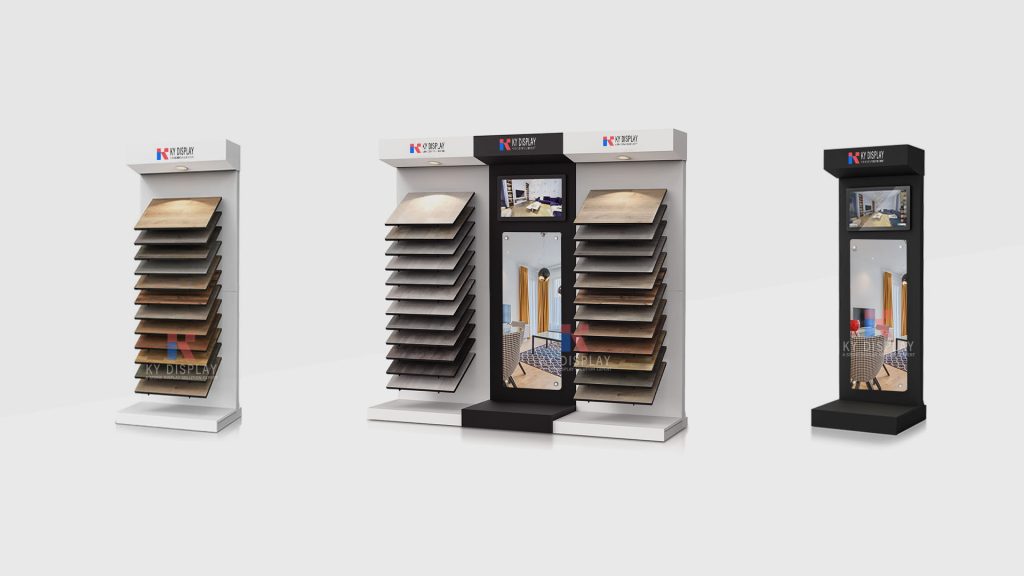
Table of Contents
Tile Display Rack for Retailers: The 2026 Upgrade Roadmap to Boost Showroom Sales
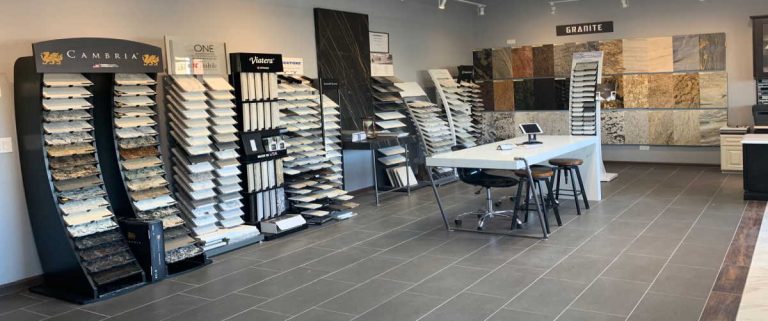
A tile display rack for retailers is the silent sales engine of every tile showroom—yet most stores leave that potential untapped. Last year a mid-sized tile retailer in Miami faced a puzzling problem: despite carrying premium products, their foot traffic kept falling and customers spent less than three minutes browsing. After a store audit, the culprit became clear—dusty, overcrowded tile display rack for retailers setups from the early 2000s made the showroom feel like a warehouse.
This isn’t an isolated case. Modern tile display rack for retailers setups decide whether a shopper stays or leaves. Let’s break down why outdated racks sabotage your business—and how a 2026 upgrade roadmap turns them into sales assets.
The Hidden Costs of an Outdated Tile Display Rack for Retailers
1. They Kill First Impressions (and Customer Trust)
Imagine walking into a luxury car dealership only to see vehicles stacked haphazardly on rusty shelves. That’s how customers perceive your tiles when displayed on frayed, mismatched racks—and why a modern tile display rack for retailers matters more than most buyers realize.
- A clean, well-lit display signals professionalism. Shoppers associate sleek fixtures with premium product quality.
- Real example: Arizona Tile revamped their displays with custom racks and reported a 28% increase in premium product sales within six months.
- Industry trend: In 2026, retailers investing in modern racks report higher customer retention, because the showroom itself becomes part of the brand promise.
2. They Waste Space and Overwhelm Customers
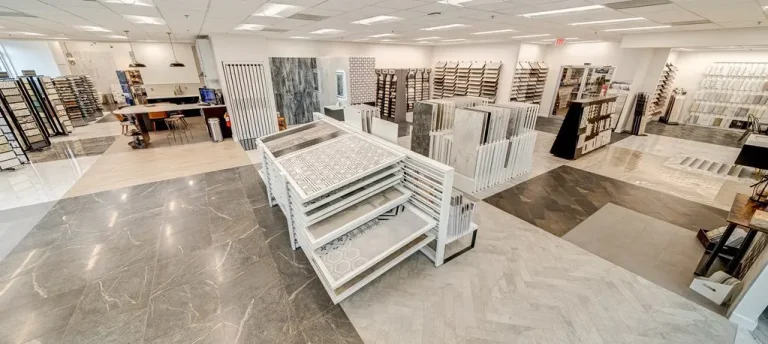
Legacy racks—the outdated tile display rack for retailers most stores still use—force retailers to cram tiles vertically or horizontally, creating visual chaos.
- Problem: Shoppers can’t compare textures or colors effectively.
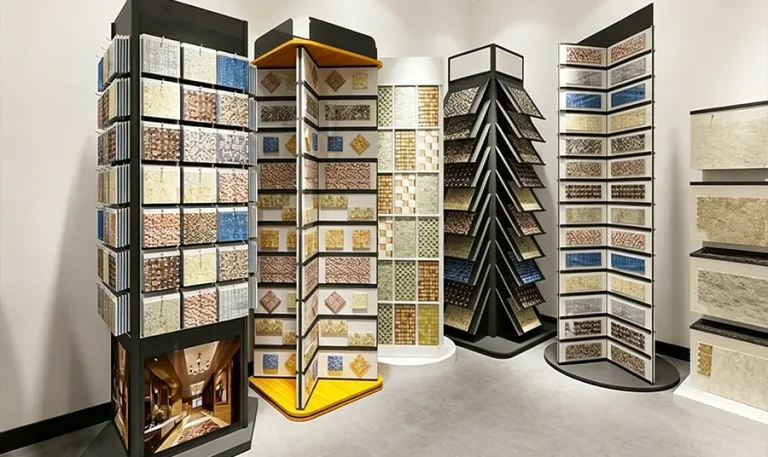
- Solution: Slim-profile, rotating space-saving tile display rack for retailers allow 360° viewing without cluttering floor space.
- Case study: A Boston-based retailer reduced floor congestion by 60% after switching, showcasing 50% more products in the same area.
- Design tip: Opt for adjustable shelves to accommodate varying tile thicknesses—critical for trending textured tile display lines.
3. They’re Expensive to Maintain
A tile store owner in Texas shared: “We spent $12,000 annually repairing broken wooden racks. Switching to durable aluminum racks saved us 60% on maintenance.”
- Wood: prone to warping and termites; lifespan 3–5 years.
- Aluminum: rust-proof, lasts 10+ years with minimal upkeep.
- Plastic: budget-friendly but cracks under heavy loads.
- Cost reality: Over a decade, durable aluminum racks cost far less than wood, even with higher upfront price.
2026’s Fix: 3 Tile Display Rack for Retailers Strategies to Boost Sales
1. Upgrade to Modular, Customizable Racks
Modular tile display rack for retailers systems let you adapt layouts for seasonal collections or trending tile sizes (like large-format porcelain).
- Cost tip: Lease-to-own programs spread payments over 24 months.
- For retailers: These custom tile display rack for retailers are perfect when you need flexibility across a changing inventory.
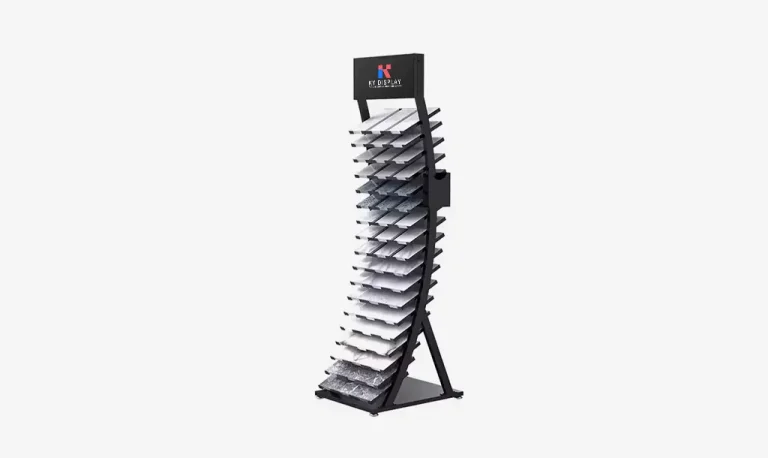
- KYdisplay options: Browse the sliding tile display rack, the countertop tile display rack, or the leaning tile display rack—each built OEM/ODM for your brand.
- Implementation steps:
- Audit current inventory to identify size variations.
- Partner with suppliers offering CAD mockups to visualize layouts.
- Train staff on reconfiguring racks for promotions.
2. Integrate Interactive Technology
Augmented Reality (AR) tags on racks let customers visualize tiles in their homes instantly.
- Case study: Floor & Decor added QR codes to their modern racks, resulting in 41% longer average browsing time.
- Budget alternative: Use tablet stands on racks to loop tutorial videos.
- ROI: Most retailers recoup AR costs within eight months through increased upsells.
3. Prioritize Durability and Portability
2026’s top materials:
- Aluminum: rust-proof, 30% lighter than steel.
- Polycarbonate: impact-resistant for high-traffic stores.
- Bamboo composite: eco-friendly, gaining traction in coastal regions.
Pro tip: Look for durable racks with lockable wheels—ideal for pop-up stores or weekend expos.
- Logistics win: A Chicago retailer cut trade-show setup time by 70% using wheeled racks, joining 3× more events annually.
- Sustainability: Aluminum racks are 95% recyclable, aligning with the growing share of eco-conscious buyers.
How to Transition Without Disrupting Sales
- Phase Out Gradually
- Replace high-traffic areas first (entrance displays).
- Use off-peak hours for installations.
- Monitor sales data weekly.
- Run a “Before & After” social campaign to build anticipation.
- Leverage Tax Breaks
- In the U.S., Section 179 deductions cover up to $1.08 million in equipment upgrades.
- EU businesses can apply for green manufacturing subsidies when using recycled materials.
- Train Staff
- Script: “Our space-saving racks make it easier to compare finishes! Would you like to see how these marble tiles look in different lighting?”
- Offer staff commissions for upselling products on new racks.
The Bottom Line: It’s Not Just About Racks—It’s About Relevance
In 2026, tile retail isn’t just competing with local stores; it’s battling Amazon’s “See It in Your Room” AR tool and Pinterest’s visual search. Modern tile display rack for retailers bridges the gap between online inspiration and in-store confidence.
As Maria Gonzalez, a retail consultant who helped 50+ tile shops overhaul displays, puts it: “Your tile display racks aren’t just holding tiles—they’re holding your brand’s future.” For a full playbook, see our tile display rack buying guide and tile showroom display ideas.
Frequently Asked Questions
How do I know if my tile showroom display racks are outdated?
Watch for three signals—frayed or mismatched fixtures, cramped tiles customers can’t compare side-by-side, and high annual repair costs. If your racks are wood and over five years old, or shoppers spend under three minutes browsing, it’s time to upgrade your tile display rack for retailers setup.
What type of tile display rack works best for a small retailer?
A slim, modular leaning tile display rack or space-saving rotating unit maximizes samples per square meter. Small retailers benefit most from adjustable shelves that fit both standard and large-format tile display racks.
How much does it cost to upgrade a tile showroom’s display racks?
Costs vary by material and configuration. Aluminum modular systems cost more upfront but 30–45% less over ten years than wood. U.S. retailers can offset spend via Section 179 deductions (up to $1.08M). KYdisplay offers lease-to-own and OEM/ODM pricing—request a free 3D mockup for a quote.
Do modular tile display racks really increase sales?
Yes, when paired with good lighting and staff training. Real cases include a 28% premium-sales lift (Arizona Tile) and 41% longer browsing time after adding interactive QR codes (Floor & Decor). The key is turning passive shelves into an active tile display rack for retailers that guides comparison.
Can KYdisplay customize tile display racks for my showroom brand?
Absolutely. As a 16-year OEM/ODM factory we tailor dimensions, materials (aluminum/steel/wood), color (any RAL), branding, mobility, and lighting. MOQ is flexible for first orders. See our stone display racks and tile lines for reference, then contact our team.
Take Action This Week
- Audit Your Racks: Identify at least three friction points (poor lighting, difficult access, cramped comparison).
- Request a Free Mockup: Our design team builds CAD layouts for your inventory—start your free 3D mockup with KYdisplay today.
- Track Metrics: Measure sales per square foot and customer dwell time after upgrade.
- Explore the Industry: Stay current with Coverings, North America’s largest tile & stone expo, for 2026 fixture trends.